

ARTISANBOX RECIPES
SHOWSTOPPING
PORK CHEEK RAGU
Pork Cheek Ragu is the simple slow-cooked showstopper best served to your favourite people.
ich, deeply savory, and unashamedly comforting, pork cheek ragù is Italian comfort food at its finest. Unlike standard minced meat sauces, pork cheeks—known in Italy as guanciale when cured—are packed with rich connective tissue that transforms during a low and slow braise. As the meat gently simmers in red wine, aromatics, and tomatoes, the collagen melts away, yielding tender, shreddable pork and a thick, velvety sauce that coats every ribbon of pasta. It’s an easy, low-effort dish that tastes like it came straight out of a traditional Tuscan trattoria.
Summary
Slow-braised pork cheeks melt down into an exceptionally rich, silky, shredded sauce. Preparing the ragù a day ahead allows the flavours to deepen even further.
Prep time: 20 mins
Cook time: 3 hours
Serves: 4–6 generous portions
Ingredients
The Meat & Base
1kg Cornish Heritage pork cheeks, trimmed of heavy silver skin and cut into 3cm chunks
2 tbsp olive oil
1 large yellow onion, finely diced
2 medium carrots, finely diced
2 celery sticks, finely diced
5 garlic cloves, finely chopped
125g unsmoked pancetta or streaky bacon, diced
The Braise & Seasoning
3 tbsp tomato purée
300ml dry red wine (e.g., Chianti or Côtes du Rhône)
1 tin (400g) chopped plum tomatoes
450ml quality beef or chicken stock
2 bay leaves
4 sprigs fresh thyme
1 sprig fresh rosemary
Sea salt and freshly cracked black pepper
To Serve
450g–500g dry pappardelle or rigatoni
Freshly grated Parmesan or Pecorino Romano
A small handful of fresh flat-leaf parsley, finely chopped
1.Brown the meat in batches:Essential for deep caramelised flavour.
Heat 1 tablespoon of olive oil in a large casserole dish or Dutch oven over a medium-high heat. Season the pork cheek chunks generously with salt and pepper. Sear the pork in 3 separate batches until deep brown on all sides (about 3–4 minutes per batch). Do not crowd the pan. Remove the meat with a slotted spoon and set aside on a plate.
2.Build the soffritto base:
Turn the heat down to medium and add the remaining olive oil along with the diced pancetta. Fry for 3–4 minutes until the fat renders out and the pancetta begins to crisp. Add the onion, carrots, and celery. Cook gently for 8–10 minutes until softened and translucent, then add the garlic and tomato purée, stirring constantly for 2 minutes.
3.Deglaze and simmer:
Pour in the red wine, scraping up any caramelised brown bits stuck to the bottom of the pan. Let the wine bubble vigorously until it reduces by half (about 4–5 minutes). Return the pork cheeks and any resting juices to the dish, then add the chopped tomatoes, stock, bay leaves, thyme, and rosemary.
4.Slow-braise until tender:
Bring the liquid to a gentle simmer, then cover with a tight-fitting lid. Turn the heat down to low (or transfer to a preheated oven at 150°C / 130°C fan) and braise for 2.5 to 3 hours, stirring occasionally, until the pork cheeks are melt-in-the-mouth tender.
5.Shred and finish the sauce:
Remove the herb sprigs and bay leaves. Using two forks, coarsely break down the pork cheeks into thick, shreddy chunks right in the pot. If the sauce is too liquid, simmer uncovered for 5–10 minutes to thicken. Adjust seasoning with salt and pepper to taste.
6.Combine with pasta:
Cook your pasta in heavily salted boiling water until al dente. Reserve 100ml of the starchy pasta cooking water before draining. Toss the drained pasta directly into the ragù, adding a splash of pasta water to help the glossy sauce coat the noodles. Garnish with chopped parsley and plenty of grated Parmesan.

Method
FAQ's
Can I make this in a slow cooker or pressure cooker?
Slow Cooker: Complete steps 1–3 in a pan, transfer everything to your slow cooker, and cook on Low for 7–8 hours (or High for 4–5 hours).
Pressure Cooker / Instant Pot: Sauté the meat and soffritto directly in the pot, add the liquid, then cook on High Pressure for 45 minutes with a 15-minute natural pressure release.
What can I use instead of pork cheeks?
Pork shoulder (boneless) or pork collar cut into bite-sized chunks make great pork alternatives.
Can I make this alcohol-free?
Yes. Omit the red wine, increase the stock by 300ml, and add 1 to 2 tablespoons of balsamic vinegar or 1 tablespoon of Worcestershire sauce for acidity and depth.
Which pasta shape works best?
Wide ribbons like pappardelle or tagliatelle hold the shredded meat best. Ridged tubes like rigatoni or penne rigate are also ideal.
Can I make this ahead of time?
Yes—the flavours improve significantly after 24 hours in the fridge. Allow the cooked ragù to cool completely before chilling, then reheat gently on the hob.
How long does it keep in the fridge or freezer?
Fridge: Stored in an airtight container, it keeps for 3 to 4 days.
Freezer: Freeze the sauce on its own (without pasta) in freezer-safe containers for up to 3 months. Defrost overnight in the fridge before reheating thoroughly.

Cornish, Artisan Pork Hogs Pudding 300g

Cornish Outdoor-Reared Pork Chops 500g

Award-Winning Cornish Heritage Pork Sausages 500g


Cornish Heritage Pork Dry-Cured Smoked Back Bacon

Outdoor-Reared Back Bacon Dry Cured
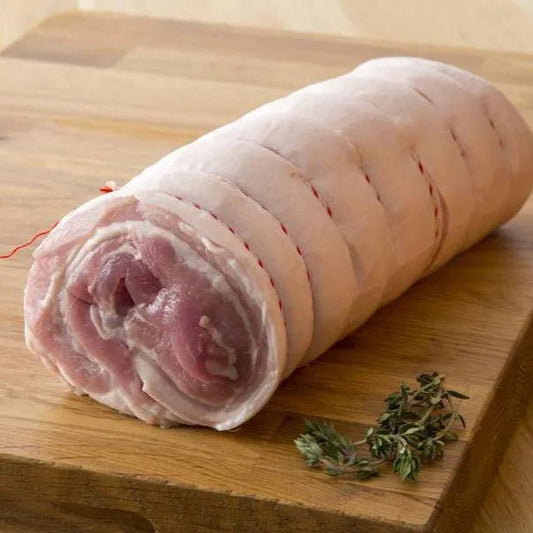
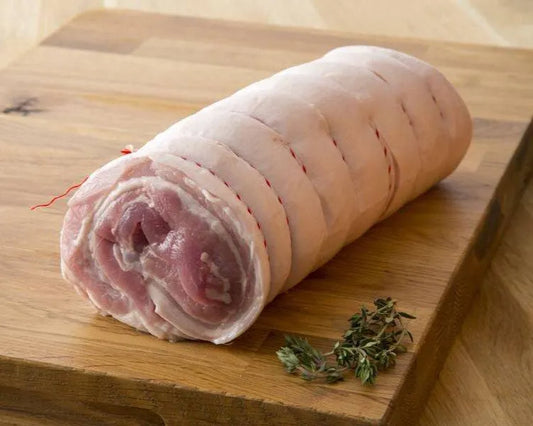
Belly Pork Joint

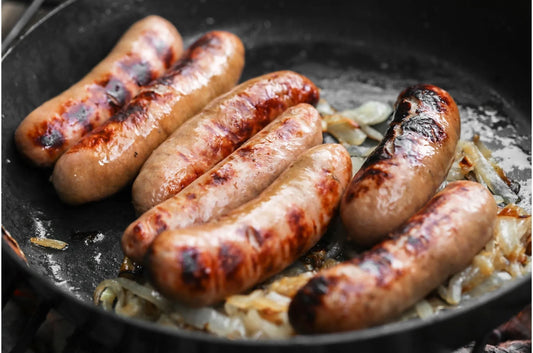
Pork and Garlic Sausages
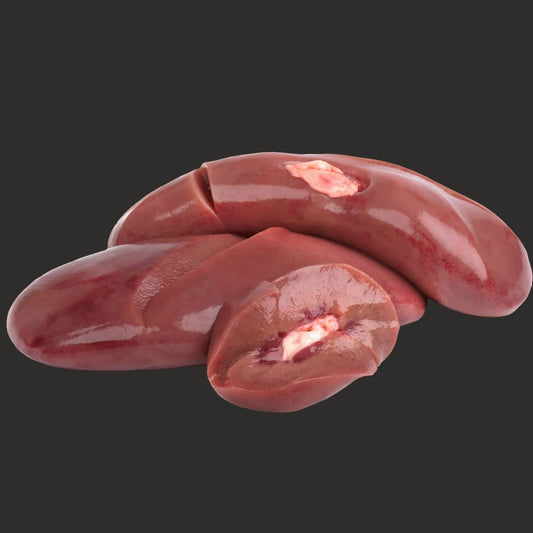
Cornish Heritage Breed Pigs Kidneys
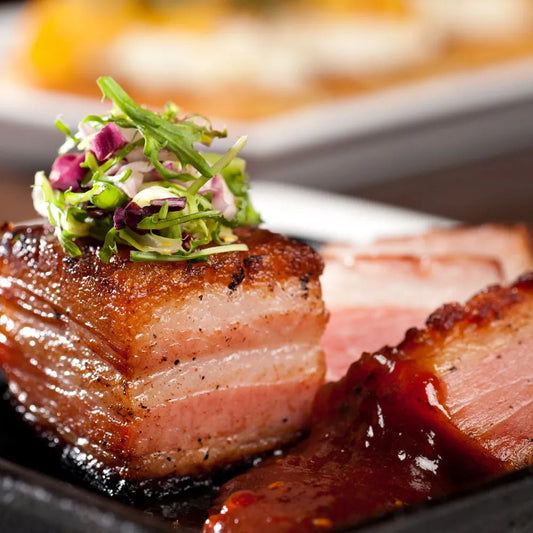

Award Winning Outdoor-Reared Belly Pork Squares | 1kg
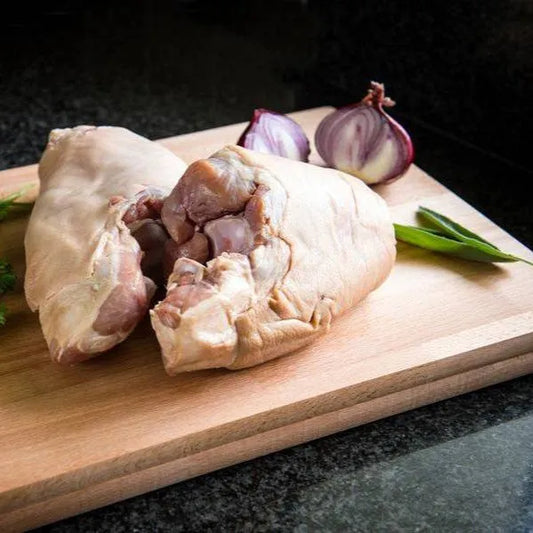

Cornish Outdoor Reared Ham Hocks

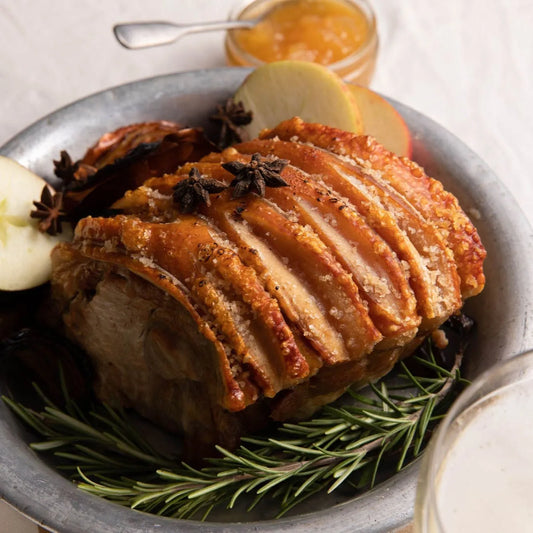
Cornish Outdoor-Reared Deboned and Rolled Pork Shoulder Joint 1-4kg

Pigs Liver

Cornish Outdoor-Reared Smoked Ham Hocks

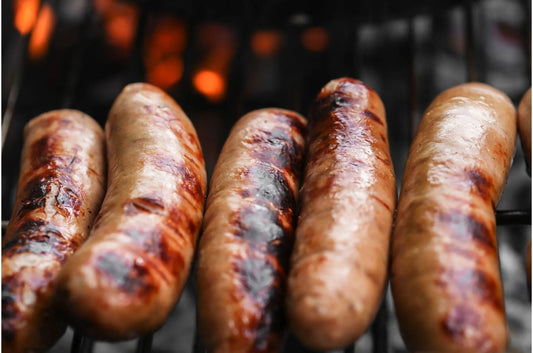
Cornish Heritage Pork Sage & Red Onion Sausages 500g


Cornish Outdoor-Reared Pork Tenderloin


Cornish Outdoor-Reared Deboned and Rolled Pork Gammon Joint | 1-6kg


Cornish Heritage Pork Cumberland Sausages 500g
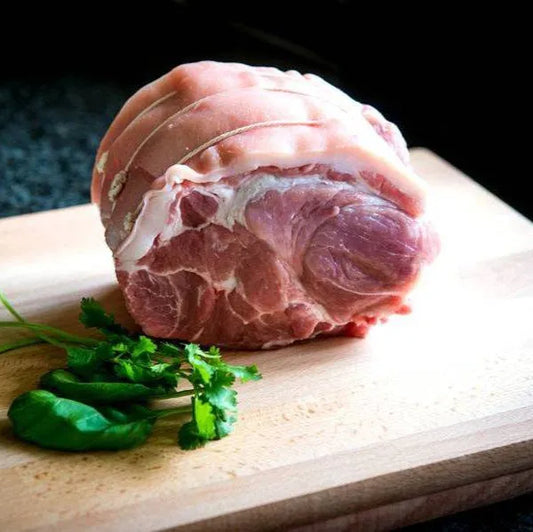
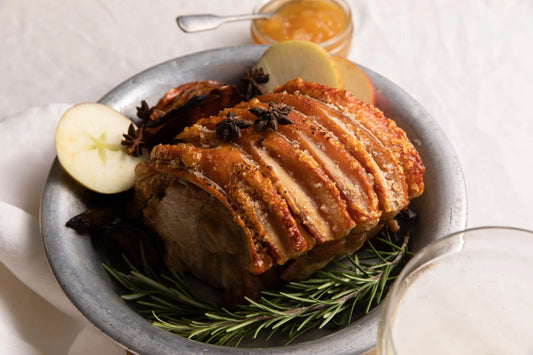
Cornish Outdoor-Reared Pork Collar Joint | 1-4kg
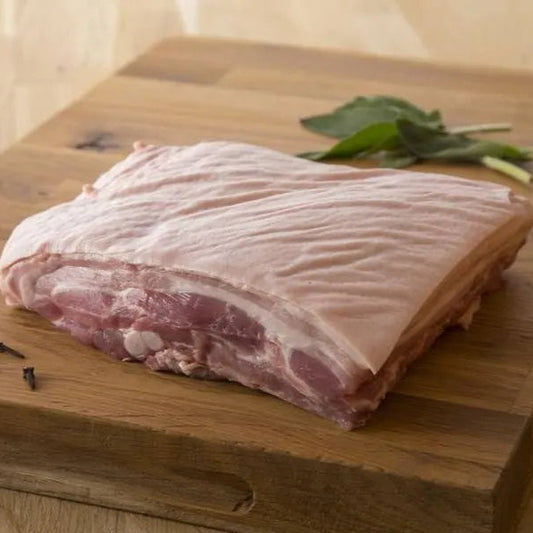

Outdoor-Reared Belly Pork on the Bone | 1-5kg

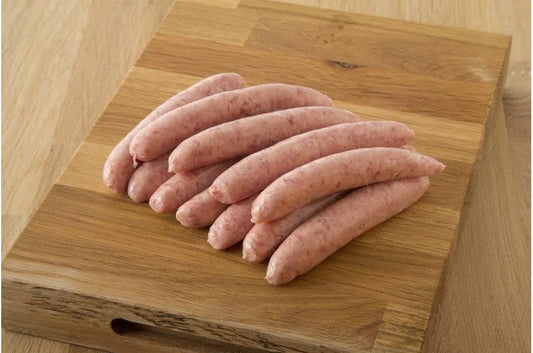
Cornish Artisan Pork Chipolatas | 500g

Cornish Outdoor-Reared Pork Gammon Steaks

Cornish Heritage Breed Cracked Black Pepper Sausages 500g

Cornish Outdoor-Reared Whole Pork Cheeks | Pack of 2

Cornish Heritage Pork Sausage Meat 500g
Explore our Cornish Heritage Pork